Embracing the Passage of Time: Slowly Changing Dimensions
I've always found it fascinating how data can change over time, and one concept that has particularly caught my attention is Slowly Changing Dimensions (SCDs). What's interesting here is how SCDs force us to consider the temporal nature of data, and the various ways we can choose to handle these changes. As I see it, SCDs are a fundamental challenge in data management, and understanding how to address them is crucial for anyone working with data.
The Problem of Slowly Changing Dimensions
To put it simply, Slowly Changing Dimensions refer to the phenomenon where data changes gradually over time. This could be anything from a customer's address to a product's description. The key characteristic of SCDs is that these changes are not instantaneous, but rather occur at a slower pace. From what I've seen, this can create a range of problems, particularly when it comes to maintaining data consistency and accuracy. For instance, if a customer's address changes, do we update the existing record, or do we create a new one? The answer, as it turns out, depends on the specific requirements of our use case.
Approaches to Handling Slowly Changing Dimensions
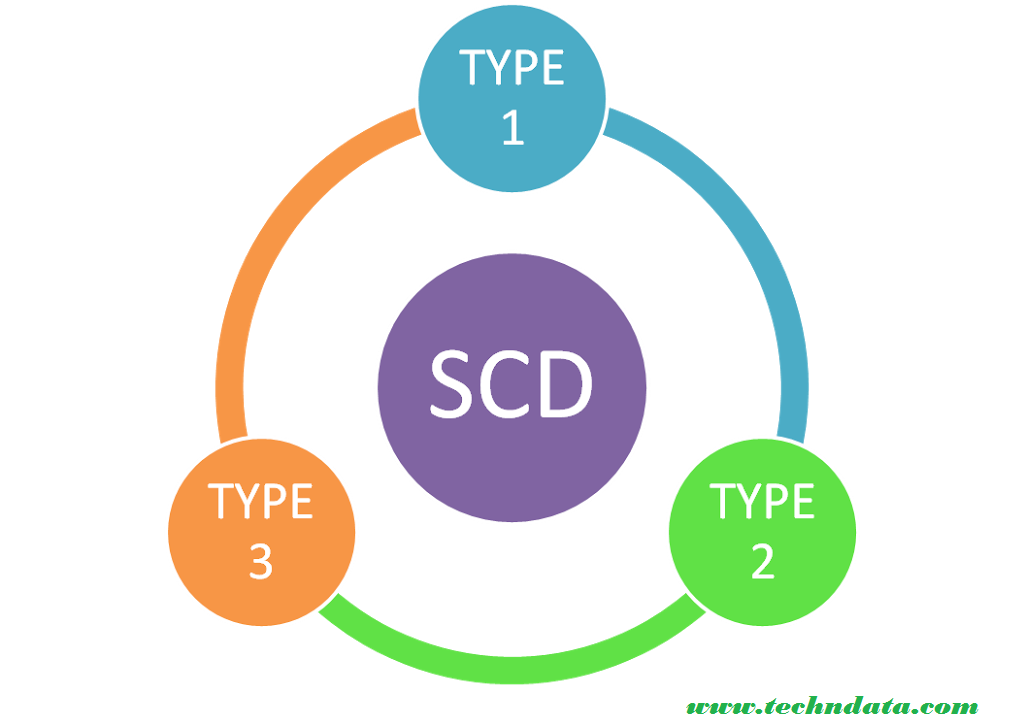
In my view, there are three primary approaches to handling SCDs, each with its own strengths and weaknesses. The first approach, which I'll refer to as Type 1, involves overwriting the old value with the new one. This method is straightforward and easy to implement, but it has one major drawback: it erases the historical record of the previous value. I think this approach is suitable for situations where the previous value is no longer relevant, but in many cases, we want to preserve a record of how the data has changed over time. The second approach, Type 2, involves creating a new row that contains the start and end dates of the previous value, as well as the new value. This method provides a full historical record of all changes, which can be incredibly valuable for analytics and reporting purposes. However, it also increases the complexity of our data model and can lead to data duplication.
The third approach, Type 3, involves creating a new column that contains the new value, while preserving the old value in a separate column. This method provides a compromise between the first two approaches, as it allows us to track changes over time without creating a new row for each change. However, it also has its limitations, as it only captures the old and new values, without providing any information about the date of the change. What I find fascinating about Type 3 is that it highlights the trade-offs we often need to make when dealing with SCDs. Do we prioritize data simplicity and ease of use, or do we prioritize the ability to track changes over time?
Choosing the Right Approach
Here's the thing there's no one-size-fits-all solution when it comes to handling Slowly Changing Dimensions. The right approach depends on the specific requirements of our use case, as well as the characteristics of our data. I think it's essential to consider factors such as data volume, query patterns, and the need for historical data when deciding which approach to take. For instance, if we're working with a large dataset and need to track changes over time, Type 2 may be the best approach. On the other hand, if we're working with a small dataset and only need to capture the current value, Type 1 may be sufficient. To illustrate this, consider the following example:
| Customer ID | Address | Start Date | End Date |
| --- | --- | --- | --- |
| 1 | 123 Main St | 2020-01-01 | 2022-01-01 |
| 1 | 456 Elm St | 2022-01-01 | null |
In this example, we're using Type 2 to track changes to a customer's address over time. The Start Date and End Date columns provide a clear record of when each address was valid, which can be useful for analytics and reporting purposes.
Reflections on Slowly Changing Dimensions
As I reflect on Slowly Changing Dimensions, I'm struck by the complexity and nuance of this topic. From what I've seen, SCDs are a fundamental aspect of data management, and understanding how to handle them is crucial for anyone working with data. I think the key takeaway is that there's no one "right" way to handle SCDs instead, we need to consider the specific requirements of our use case and choose the approach that best fits our needs. What I find fascinating about SCDs is the way they force us to think about the temporal nature of data, and the various ways we can choose to capture and preserve that history. As I see it, embracing the passage of time is essential for working with data, and Slowly Changing Dimensions are a fundamental part of that journey.