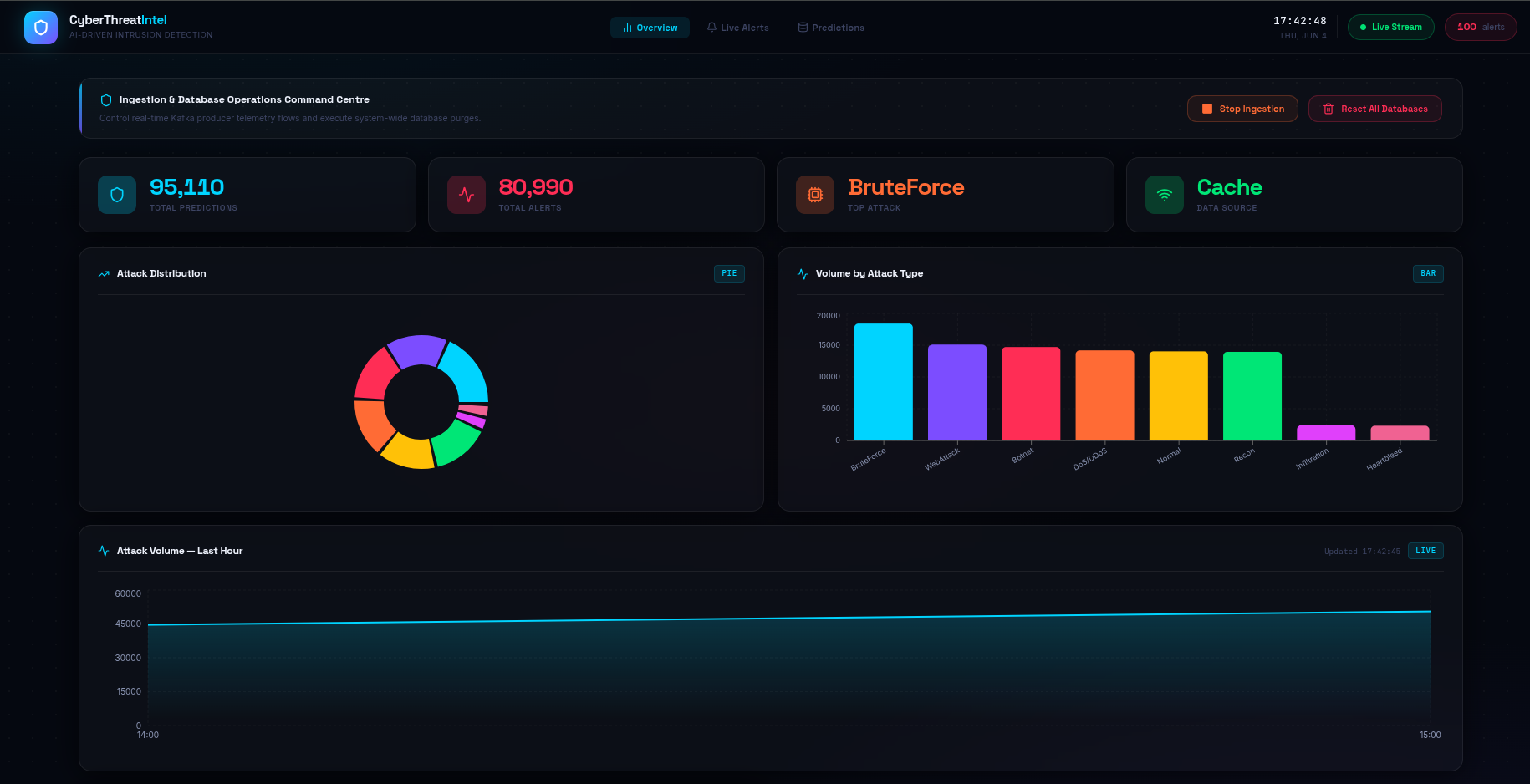
Cyber Threat Intelligence Platform (CTIP)
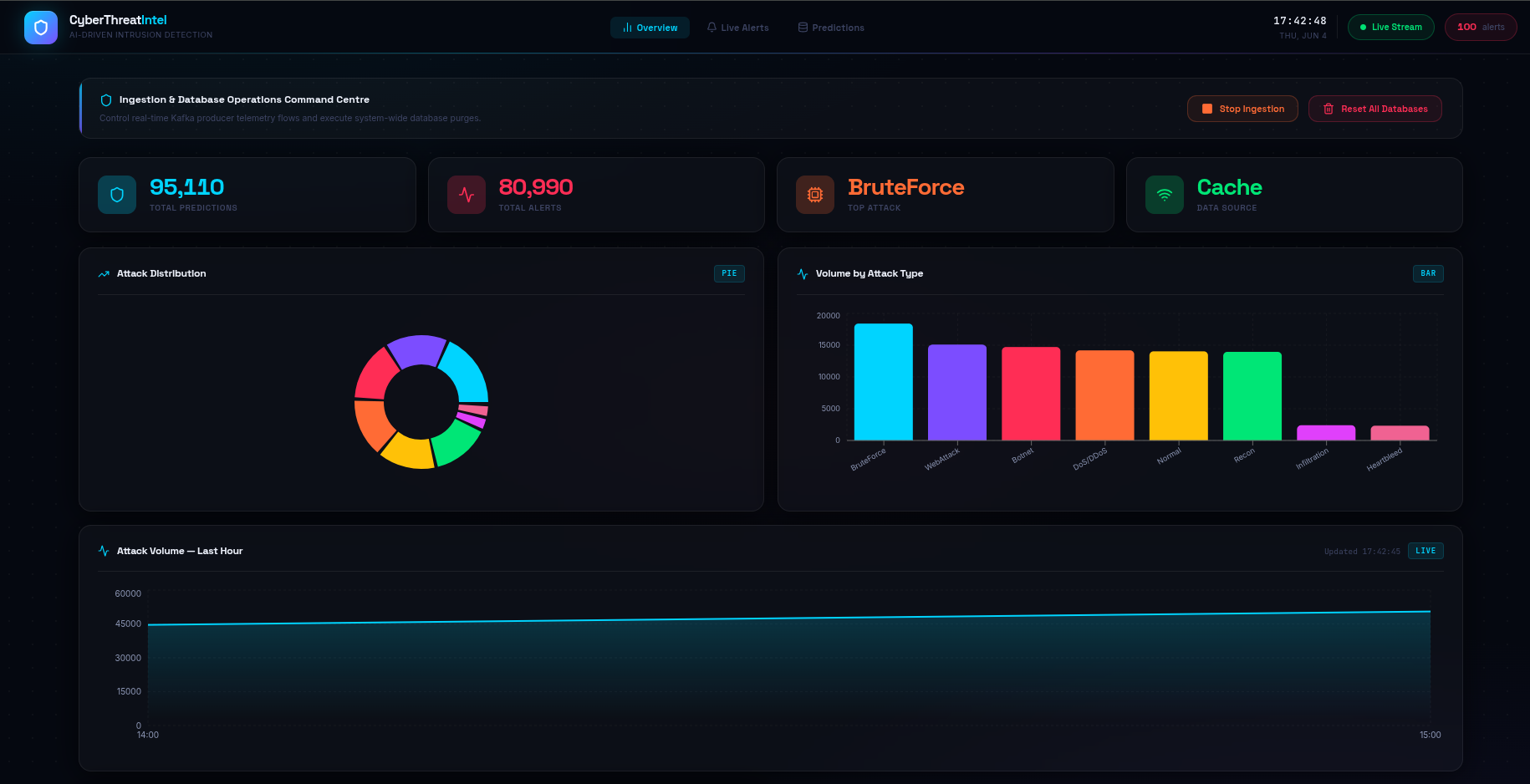 Cyber Threat Intelligence Platform (CTIP)
The Cyber Threat Intelligence Platform (CTIP) is a game-changer in the world of cybersecurity, providing a real-time threat detection and incident response system that can handle massive volumes of network telemetry data. By harnessing the power of machine learning and big data processing, CTIP empowers security analysts to respond quickly and effectively to emerging threats. In a world where cyberattacks are becoming increasingly sophisticated, CTIP is a vital tool for protecting sensitive information and preventing devastating data breaches.
Cyber Threat Intelligence Platform (CTIP)
The Cyber Threat Intelligence Platform (CTIP) is a game-changer in the world of cybersecurity, providing a real-time threat detection and incident response system that can handle massive volumes of network telemetry data. By harnessing the power of machine learning and big data processing, CTIP empowers security analysts to respond quickly and effectively to emerging threats. In a world where cyberattacks are becoming increasingly sophisticated, CTIP is a vital tool for protecting sensitive information and preventing devastating data breaches.
Introduction
The CTIP is designed to address the challenge of processing massive volumes of network flow data in real-time, separating raw ingestion from AI-driven intelligence. The platform classifies threats on the fly, calculates dynamic risk scores, and broadcasts low-latency alerts to security analysts through an interactive control center. This enables security teams to respond quickly and effectively to emerging threats, reducing the risk of data breaches and other cyberattacks.
Key Features & Highlights
The following are the key features and highlights of the CTIP:
- ✅ Real-Time Threat Classification: Ingests high-velocity network flow data using a distributed PySpark pipeline and classifies threats in real-time using a machine learning model (SparkXGBClassifier).
- ✅ Dynamic Risk Assessment: Implements a custom risk-scoring algorithm (0–100) that weighs model confidence against attack severity.
- ✅ Multi-Database Architecture: Utilizes Apache Cassandra, MongoDB, and Redis to ensure high-throughput data separation and efficient data storage.
- ✅ Live Telemetry Control: Features an "Ingestion Command Centre" that allows analysts to dynamically pause or launch the telemetry stream directly from the UI.
- ✅ Modern UI/UX: Delivers sub-millisecond security alerts to a premium, glassmorphic React dashboard utilizing WebSockets for real-time data streaming.
Technical Architecture
The CTIP is built using a range of cutting-edge technologies, including:
| Technology | Description |
|---|---|
| Apache Kafka | Handles high-velocity network flow data ingestion |
| Apache Spark | Enables distributed data processing and real-time streaming |
| PySpark | Utilized for building a distributed pipeline for threat classification |
| SparkXGBClassifier | A machine learning model for threat classification |
| Python | Used for backend logic, data engineering, and machine learning pipelines |
| React.js | UI framework for the dashboard |
| WebSockets | Full-duplex communication protocol for low-latency alert broadcasting |
| Apache Cassandra | NoSQL database for raw, high-velocity telemetry logs |
| MongoDB | NoSQL document store for enriched threat intelligence |
| Redis | In-memory data structure store used for caching, Pub/Sub messaging, and real-time alert buffering |
| Docker | Containerization and orchestration of the multi-node PySpark cluster and microservices |
Each of these technologies was chosen for its ability to handle high-velocity data ingestion, support real-time processing, and provide a scalable and efficient architecture.
Challenges & How They Were Overcome
One of the biggest challenges faced during the development of CTIP was handling the massive volumes of network flow data in real-time. To overcome this, we utilized a distributed PySpark pipeline to process the data in parallel, and implemented a multi-database architecture to ensure high-throughput data separation and efficient data storage. We also implemented a custom risk-scoring algorithm to weigh model confidence against attack severity, and utilized WebSockets to deliver sub-millisecond security alerts to the dashboard.
Another challenge was ensuring the scalability and efficiency of the architecture. To address this, we utilized Docker for containerization and orchestration of the multi-node PySpark cluster and microservices, and implemented a load balancing mechanism to distribute the workload across multiple nodes.
Results & Impact
The CTIP has been successfully deployed and has demonstrated significant improvements in threat detection and incident response times. The platform has been able to handle massive volumes of network flow data in real-time, and has provided security analysts with valuable insights and alerts to respond to emerging threats.
To learn more about the CTIP and to see it in action, please visit our GitHub Repository or click the button below to view the live demo: View on GitHub Live Demo
Conclusion & What's Next
The CTIP is a powerful tool for threat detection and incident response, and has the potential to revolutionize the field of cybersecurity. As we continue to develop and refine the platform, we are exploring new technologies and techniques to further improve its performance and capabilities. Some potential areas of focus include:
- Integrating additional machine learning models to improve threat classification accuracy
- Utilizing cloud-based infrastructure to further improve scalability and efficiency
- Developing a user-friendly interface for non-technical users to interact with the platform
- Exploring applications of the CTIP in other fields, such as IoT security and threat intelligence.